
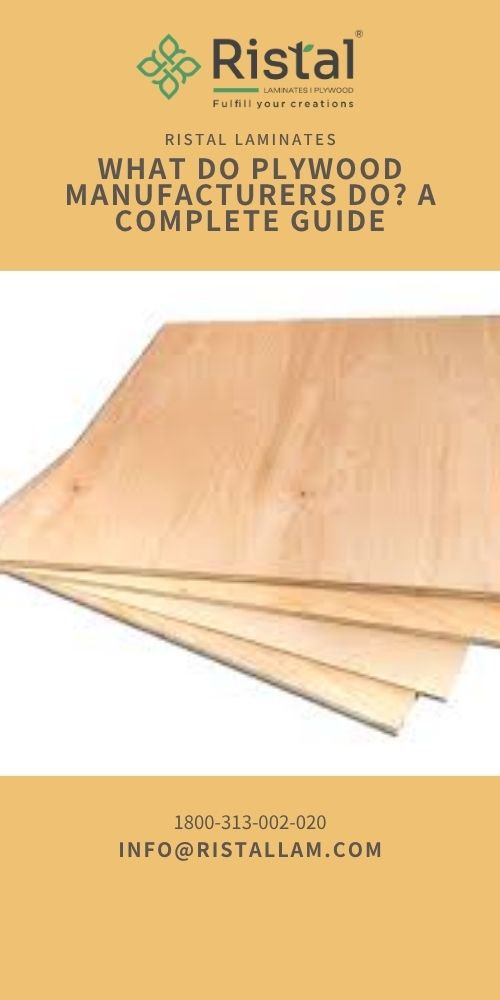
Plywood is a type of wood panel, created by bonding wood layers together with glue, heat, and pressure by Plywood Manufacturers. These wood layers are arranged perpendicular to each other. This makes the wood strong and resistant to cracks and bending.
Due to its high strength, low weight, and ease of cutting, plywood is a versatile wood material used in construction, furniture, and interior design.
Quick Facts About Plywood
- The number of wood layers found on a single plywood board ranges from 3 to 11 layers.
- The cross-layer design gives plywood its high strength and stability.
- The wood is used for furniture, construction sites, and interior design.
Ristal Laminates is a reliable plywood manufacturer, known for producing high-quality wood products by cutting wood, bonding wood layers, and testing the wood for its strength. With a world-class manufacturing plant with advanced technology, the company offers shuttering plywood, commercial plywood and calibrated plywood.
What Are Plywood Manufacturers?
Plywood manufacturers are companies that produce wood panels by bonding wood layers. They use machines and adhesives to bond wood layers. Typically, they undertake the following tasks:
- Gathering wood from the source
- Cutting the wood into thin sheets
- Attaching glue to the wood
- Pressing the wood to form strong wood sheets
- Testing the plywood for quality and strength
Top brands like Ristal Laminates use strict production guidelines to ensure their plywood performs well for furniture and building purposes.
The Main Responsibilities of Plywood Manufacturers
1. Sourcing High-Quality Raw Materials
The first responsibility of a plywood company is to source the right wood for the production of its products—the type of wood that can withstand pressure and last for a longer period of use. This way, the company’s plywood lasts longer and performs well.
2. Manufacturing Plywood Sheets
The second responsibility of a plywood company is to manufacture the plywood sheets. This process begins once the right wood for the job is identified.
The process of manufacturing plywood involves several tasks.
- Log Selection: The process begins by choosing large wood logs and cleaning them.
- Veneer Peeling: The logs are then subjected to a machine that peels the wood into thin sheets.
- Veneer Drying: The sheets are then dried to ensure they contain little moisture.
- Glue Application: Glue is then applied between the wood sheets.
- Layer Pressing: The sheets are then pressed using heat and pressure.
- Cutting and Finishing: The wood sheets are then cut to standard sizes and smoothed.
The plywood manufacturing company, like Ristal Laminate, uses advanced technology and manufacturing processes to ensure the plywood sheets they produce are strong, long-lasting, and of the right size.
3. Quality Testing & Certification
The third responsibility of a plywood company is to test the quality of the plywood. This process involves testing the plywood to ensure it meets the following strength requirements.
- Moisture resistance
- Termite resistance
- Durability
The boards are also built to ISI quality standards, which help ensure the plywood’s safety and reliability.
4. Product Innovation
The plywood industry continues to evolve with new ideas and new materials. Today, companies manufacture new types of plywood for various purposes.
These are
- Marine Plywood for use in wet conditions
- Commercial Plywood for furniture
- Flexible Plywood for curved shapes
- Decorative Plywood for wall panels
Ristal Laminates Plywood specialises in manufacturing durable plywood for use in today’s homes, offices, and buildings.
The Plywood Manufacturing Process
The process of manufacturing plywood involves a number of steps. First, high-quality wood is selected. The wood is then peeled into thin wood sheets known as veneers.
The wood sheets are then left to dry to reduce the moisture content. After this, glue is applied to the wood sheets. The sheets are then arranged in a particular direction.
The sheets are then pressed under high temperatures. This process bonds the wood sheets together to form a strong plywood board.
The boards are then cut to standard sizes. The process ends with the boards being sold to the market.
Step | Process | Purpose |
Log Selection | Choosing strong wood | Creates a strong base |
Veneer Peeling | Cutting wood sheets from logs | Creates layers for plywood |
Veneer Drying | Drying wood sheets to reduce moisture | Causes wood to bend |
Glue Application | Applying glue to wood sheets | Causes bonding |
Hot Pressing | Applying heat to wood sheets | Causes bonding |
Finishing | Cutting and Sanding | Smooth final product |
Types of Products Offered by Plywood Manufacturers
Most Plywood Manufacturers produce various plywood products for use in different industries.
- Commercial Plywood: Commercial plywood is used to construct furniture, cabinets, and interior designs.
- Marine Plywood: Marine plywood is waterproof plywood. It is used to construct kitchen furniture, bathroom furniture, and outdoor furniture.
- Decorative Plywood: Decorative plywood is used to construct wall panels, interior designs, and furniture surfaces.
- Shuttering Plywood: Shuttering plywood is used in building constructions to construct concrete works.
- Calibrated Plywood: Calibrated plywood is plywood with equal thickness on all surfaces. This type of plywood is used to construct modular furniture.
Ristal Laminates is a company that offers plywood products for modern interior designs and building constructions.
Why Choosing the Right Plywood Manufacturer Matters
It is important to choose a plywood manufacturer for any building or furniture project.
- Plywood helps to construct furniture that is strong and durable.
- It lasts longer because it does not get damaged easily.
- It does not get damaged by moisture, termites, or any other factors.
Plywood manufacturers also matter because they produce high-quality plywood that lasts longer. This is because they use high-quality glue to bond the wood. They produce plywood that is less likely to get damaged.
How to Identify a Reliable Plywood Manufacturer
To identify a reliable company, consider the factors in the table below:
Factor | Why It Matters |
Quality Certification | Ensures plywood quality standards are met |
Modern Machinery | Ensures accurate cutting of plywood |
Raw Material Quality | Ensures plywood quality because wood is strong |
Product Variety | Ensures plywood variety is available in stores |
Brand Reputation | Ensures the reliability of plywood |
Role of Plywood Manufacturers in Construction & Interiors
Plywood plays a major role in both construction and interior design.
- In furniture manufacturing, plywood plays a major role. It is used to make furniture such as wardrobes, tables, cabinets, and beds.
- In interior design, plywood plays a major role. Interior designers use ply to make modular kitchens, wall panels, partitions, and offices.
- In construction work, flooring structures, formwork, and building frameworks are supported by plywood.
Due to its strength and flexibility, plywood plays an important role in modern building and design work.
Conclusion
The role of plywood manufacturers cannot be overlooked. They are responsible for producing strong wood for use in construction work and interior design.
Their activities include choosing wood, producing wood veneers, pressing wood sheets, and testing the wood. Manufacturers are reliable sources for purchasing high-quality wood for use in furniture and building work.
Are you searching for reliable wood for use in your next interior or construction work? Ristal Laminates offers high-quality wood for use in modern furniture and building work.
Frequently Asked Questions
Plywood manufacturers make engineered wood products that combine wood veneer layers with adhesives, heat, and pressure.
Plywood is manufactured by peeling wood veneer from logs, drying the veneer, and then glueing and pressing the wood layers together.
A good plywood manufacturer is one that uses high-quality materials, advanced machinery, and quality checks
Plywood manufacturers produce commercial plywood, marine plywood, decorative plywood, shuttering plywood, and calibrated plywood.